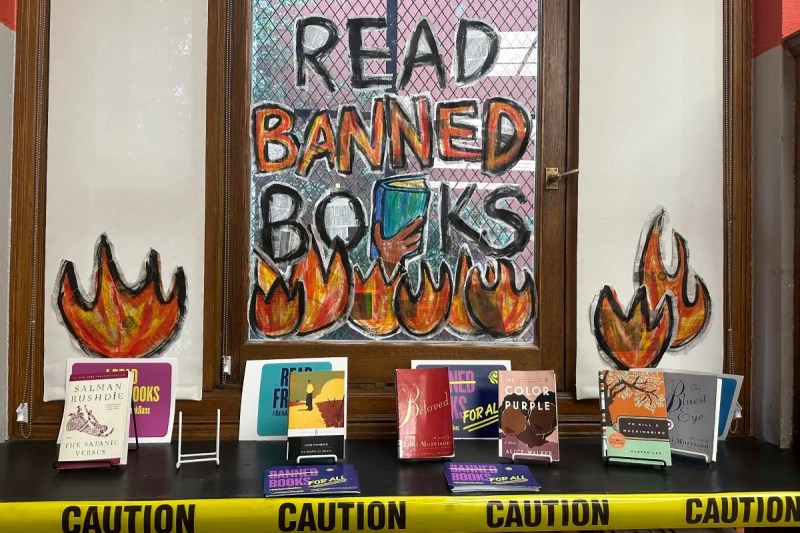
Gov. Kelly Ayotte went against her own party on Tuesday, bowing to political pressure and vetoing seven bills—one of the most talked-about being a controversial proposal to ban books in schools.
The bill, HB 324, would have set up a formal process to remove books, films, and other materials deemed “harmful to minors” from schools. It passed along party lines, backed by Republicans, and came with some serious consequences: teachers and school board members could have faced lawsuits for failing to remove flagged content. Petitioners could’ve been awarded at least $1,000 per violation.
RELATED: Chaos and pain: Donald Trump and Kelly Ayotte at 100 days in office
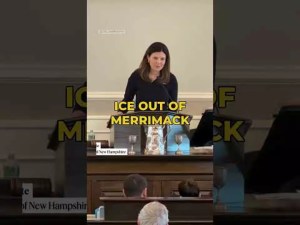
Local and New York Times best-selling author Jodi Picoult sharply criticized the bill.
After the veto, Ayotte said in a statement: “Current state law appears to provide a mechanism for parents through their local school district to exercise their rights to ensure their children are not exposed to inappropriate materials. Therefore, I do not believe the state of New Hampshire needs to, nor should it, engage in the role of addressing questions of literary value and appropriateness, particularly where the system created by House Bill 324 calls for monetary penalties based on subjective standards.
“Furthermore, I have concerns that this bill envisions the possibility of extensive civil action over materials in our schools, which could open the door to unnecessary litigation from out-of-state groups.”
That’s a notable pivot from Ayotte’s prior work in the US Senate, where she frequently sided with her party on key conservative “culture war” issues—such as opposing same‑sex marriage, voting multiple times to defund Planned Parenthood, and resisting expanded gun safety measures.
Other Republican bills she vetoed include:
House Bill 148, which would have allowed organizations to classify people based on biological sex in bathrooms, locker rooms, sporting competitions, and jails.
House Bill 358, which would have made it easier for parents to opt their children out of vaccinations for religious reasons, requiring only a signed statement.
House Bill 446, which would have required school districts to notify a parent or legal guardian before distributing non-academic surveys or questionnaires.
House Bill 667, which would have required schools and colleges to teach sex education courses with “a high-definition ultrasound video, at least 3 minutes in duration, showing the development of the brain, heart, sex organs, and other vital organs in early fetal development; or The Meet Baby Olivia video developed by Live Action, showing the process of fertilization and each stage of human development inside the uterus, noting significant markers in cell growth and organ development for every stage of pregnancy until birth.”
House Bill 475, which would have created a “default budget” at town meetings, using the previous year’s budget with certain adjustments for debt, vacant positions, and new salary figures, if voters rejected the proposed one.
House Bill 115, which would have allowed the state to temporarily pay its bills and cover expenses starting July 1, 2025, until a new budget is passed—no later than Jan. 1, 2026.