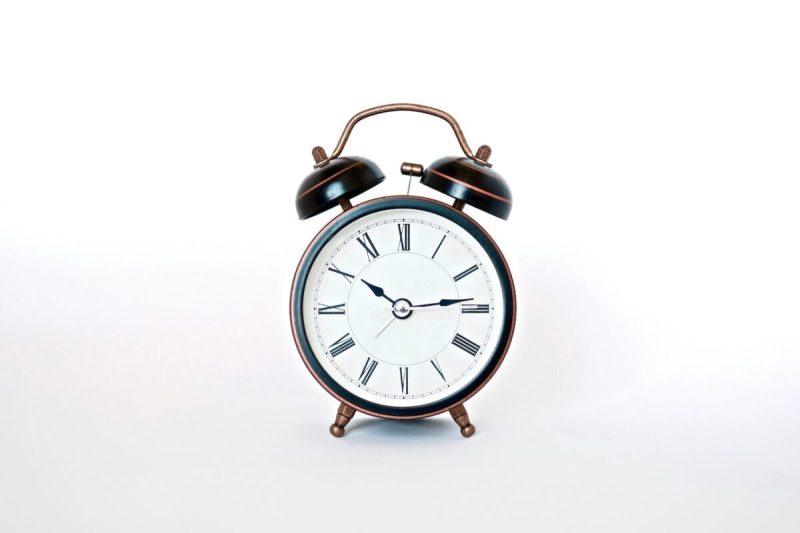
Did you know daylight saving time was first widely proposed by George Vernon Hudson in 1895? The goal was to make better use of daylight during the summer months. It was first implemented in Germany and Austria in 1916 during World War I to conserve fuel. Later, other countries, including the US, soon followed. The practice has been adjusted over the years, like during World War II, when the US adopted DST to the extreme with “War Time.”
From 1942 to 1945, clocks stayed an hour ahead year-round to save fuel and boost productivity for the war effort. After the war, most places went back to the old system.
This week we asked readers to share how they feel about daylight saving time. Here’s what they said…
“It takes my body some time to adjust to the changes. My view is; ” Pick one and stick with it!”. I personally would choose the original standard time and forget daylight saving altogether.”— JoAnn Carlson
“Adjusting to the hour change…year in and year out! “— Norma Valley
“No issue for me, but I believe that more daylight hours in the mornings makes it just that much safer for kids who are riding buses.” — John Anew
“Regulating new sleep pattern.” — Sandy Keans
“I live in a household with two dogs, and believe me dogs do not understand the twice-a-year time changes. For the first week or so they wonder what happened to their feeding, walking, sleeping schedules. I’m with them, it’s such a stupid thing for so little benefit. I would like to see the practice stop.” — Rebecca Larson
“There is no value to changing our clocks twice a year. Though none of my specific reasons are crisis inducing, they remain an irritant, to wit: 1). Seasonal Affective Disorder (SAD) is real. When it is dark before the end of the work day, it is depressing to know that nothing meaningful can be done outside after 4:30 p.m. 2) Animals/pets don’t care about human clocks. Their routines are tied to daylight, so when it becomes light at 6 a.m. and/or dark at 4:30 p.m., they expect to be fed or walked, regardless of the clock. 3). I am especially annoyed by driving home from work in the dark. It feels like the work day has been longer than 8-9 hours.” — Joe Vogelsang
“Worst is waking up at 6 when my alarm is set to 7. My body clock hasn’t reset yet.” — John Salonich